


Don’t ignore the first signs – your gums are sending you a warning!
Jeste li primijetili crvenilo, krvarenje prilikom pranja zuba ili neugodan zadah iz usta? Možda ste osjetili blagu neprijatnost ili zatezanje desni? Ovi simptomi mogu biti prvi znak gingivitisa – najčešćeg oblika upale zubnog mesa. Iako na prvi pogled djeluje bezazleno, gingivitis može biti početak ozbiljnih problema ako se na vrijeme ne reaguje.
What is gingivitis?
Gingivitis is an inflammatory process affecting the gums, most often caused by the accumulation of dental plaque on the teeth. Plaque is a colorless and sticky film of bacteria that forms daily on the teeth and gums. If not removed through regular brushing and flossing, it turns into tartar, which further irritates the gums and causes inflammation.
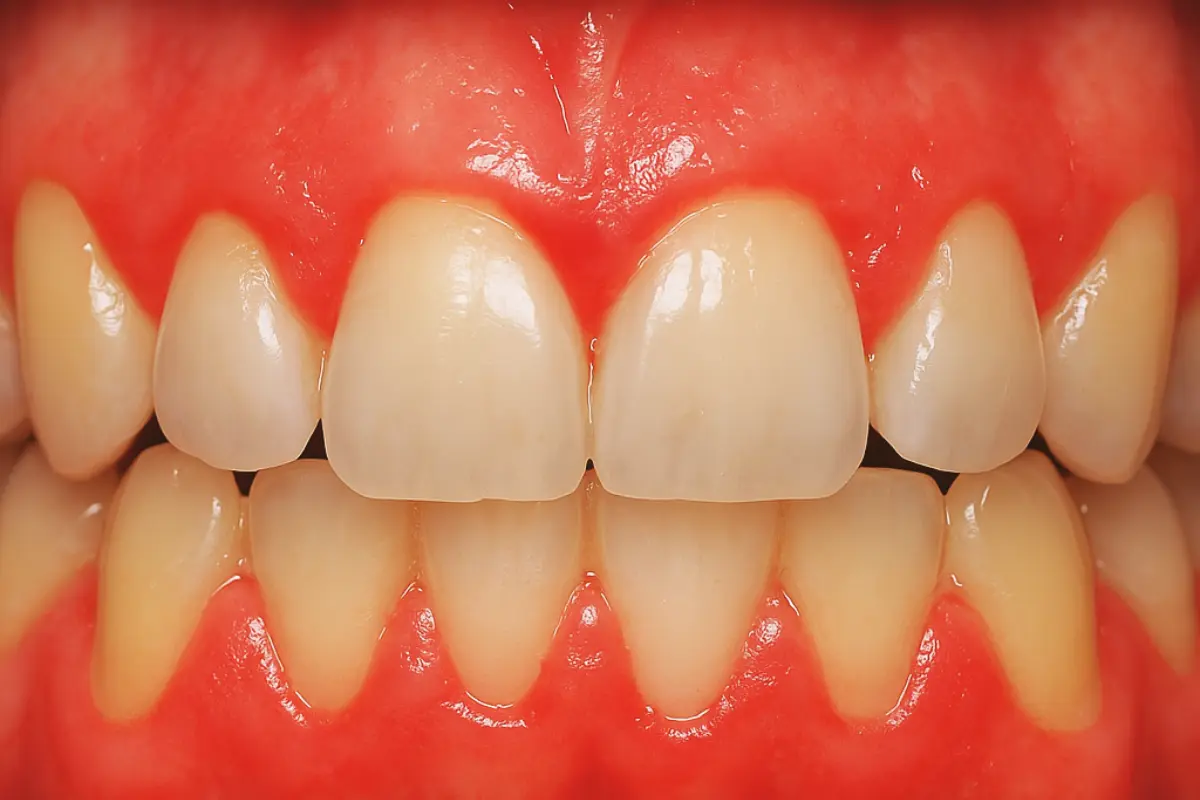
In a healthy state, the gums are light pink, firm, and painless. When gum inflammation is present, the gums become swollen, red, and prone to bleeding. This condition does not involve the loss of bone or connective tissue – which means it can be completely treated at this stage.
Gingivitis symptoms – what to watch out for?
The symptoms of gingivitis vary, but the most common are:
- Redness and swelling of the gums
- Bleeding when brushing teeth or using dental floss
- Bad breath (halitosis)
- Gum recession, causing the teeth to appear longer
- Sensitivity or pain when touched
In more sensitive patients, tingling, numbness, or discomfort while chewing may occur. Gingivitis in children often appears during the eruption of permanent teeth and may indicate improper oral hygiene.
What causes gingivitis?
The main cause is dental plaque, but there are also many factors that contribute to the development of the disease:
- Poor oral hygiene
- Smoking
- Hormonal changes (pregnancy, puberty, menopause)
- Chronic diseases such as diabetes
- Vitamin deficiency, especially vitamin C
- Certain medications
- Stress, which affects the immune system
The combination of these factors significantly increases the risk of developing gingivitis, and later periodontitis – a progressive disease of the tooth-supporting structures.
Gingivitis treatment – how to restore gum health?
The good news is that gingivitis can be treated quickly and effectively – especially if detected early. Key steps include:
- Professional teeth cleaning – removal of soft and hard dental plaque
- Proper oral hygiene at home – brushing your teeth at least twice a day, using dental floss, mouthwash
- Consultation with a dentist about habits and nutrition
- If necessary – local treatment with antiseptics or antibiotic pastes
In cases of advanced stages of the disease, more complex therapeutic procedures are performed.
Gingivitis Prevention – Small Steps for a Healthy Smile
The best remedy is prevention. Here’s what you can do every day:
- Use a toothbrush with soft bristles and replace it every 2–3 months
- Don’t skip flossing
- Limit your intake of sugar and carbonated drinks
- Visit your dentist at least twice a year
Taking care of your gum health can spare you major complications later.
Dentist’s advice: Gingivitis is a warning – don’t ignore it!
Gingivitis is a silent but very common gum inflammation that can develop into a serious problem if neglected. With timely action and regular care, you can prevent complications and maintain a healthy smile.
Schedule your appointment već danas i učinite prvi korak ka zdravim desnima i zubima. Vaš osmijeh to zaslužuje!