

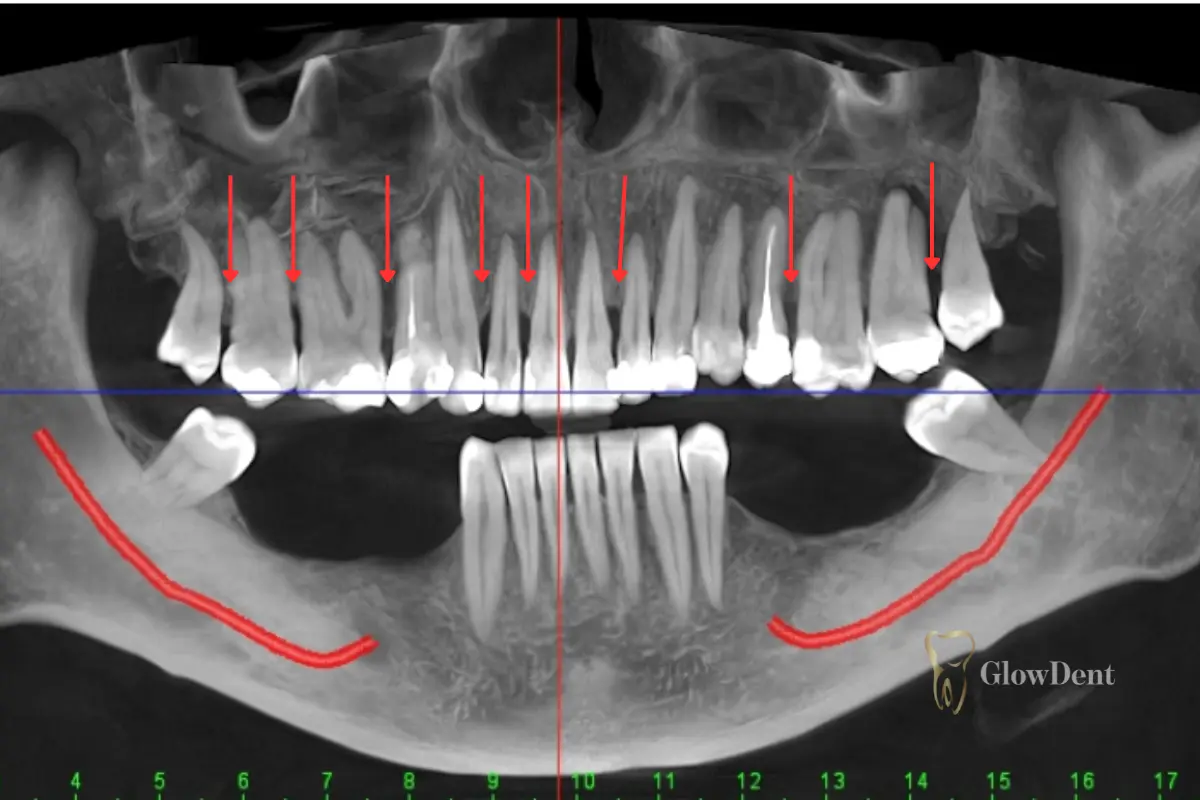
Paradentoza je jedno od najčestćih oboljenja desni koje, ako se ne liječi na vrijeme, može dovesti do ozbiljnih posljedica poput povlačenja zubnog mesa, rasklimanih zuba pa čak i njihovog gubitka. Iako je stomatološki tretman ključan, sve više ljudi istražuje i prirodne lijekove za paradentozu, oslanjajući se na iskustva drugih pacijenata.
What is periodontitis actually?
Periodontitis, also known as periodontal disease, is a chronic condition that affects the supporting tissues of the teeth. It begins with mild symptoms such as bleeding gums while brushing, sensitivity, and bad breath. Over time, the gums recede, leaving the tooth roots exposed and sensitive.
If the disease is neglected, it can lead to the loss of bone tissue and, eventually, teeth. That’s why timely treatment of periodontitis is of essential importance. It’s also important to understand that this disease doesn’t affect only older people — it can also occur in younger individuals, especially if there is a genetic predisposition or poor oral hygiene.
What does periodontitis treatment look like?
Periodontitis and its treatment in the dental office include professional teeth cleaning and the removal of deposits below the gums, known as curettage. In some cases, antibiotic therapy or even surgical interventions may be necessary.
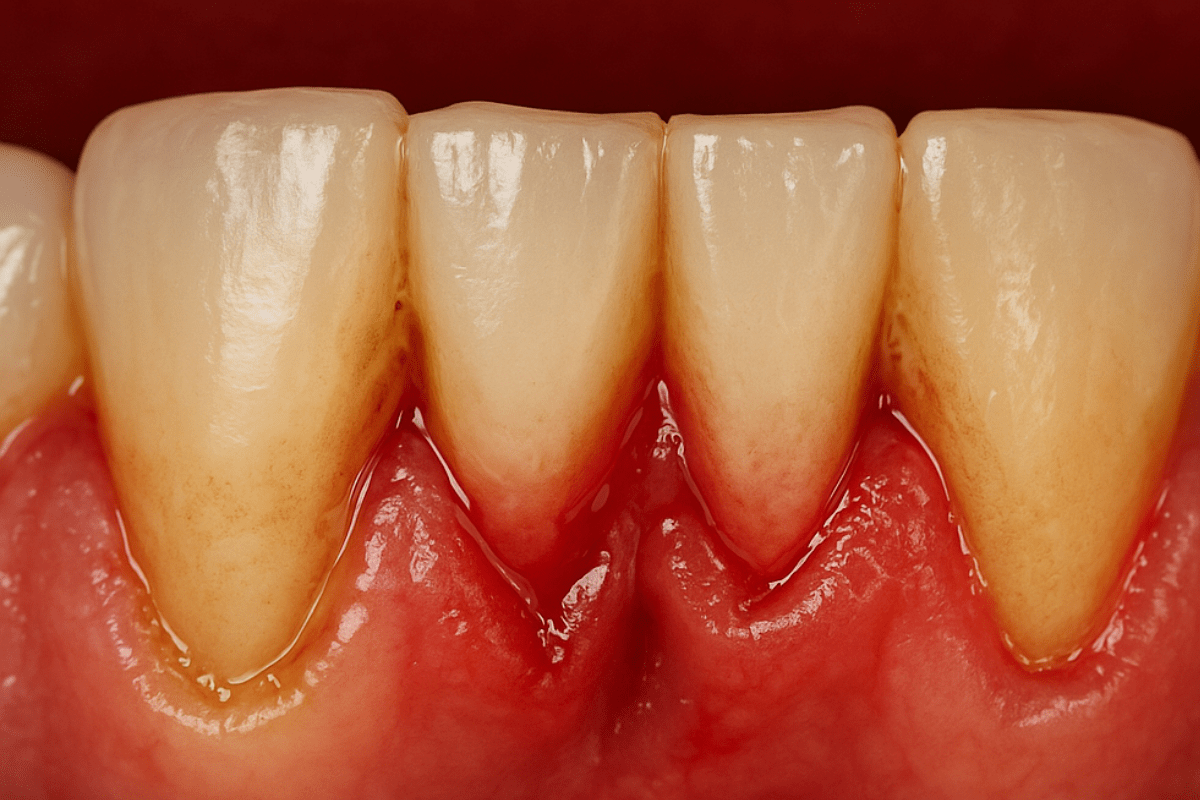
Along with professional therapy, patients are advised to maintain strict oral hygiene at home: using a soft toothbrush, interdental brushes, dental floss, and antiseptic mouthwashes. Regular check-ups every three to six months are also crucial to monitor gum health and prevent disease progression.
Natural remedies for periodontitis
There are numerous natural remedies for periodontitis that can be used as additional home care.
- Nigella sativa (black cumin) oil – known for its anti-inflammatory properties, used for rinsing the mouth or massaging the gums.
- Chamomile and sage – tea made from these herbs can be used for mouth rinsing, as they have antibacterial properties and soothe inflammation.
- Coconut oil – the “oil pulling” method (swishing oil in the mouth) can help reduce bacteria in the oral cavity.
- Aloe vera gel – applied directly to the gums to reduce inflammation and irritation.
Some patients also use natural fluoride-free toothpastes that contain essential oils such as tea tree or peppermint, known for their antibacterial properties.
It is important to note that natural remedies cannot replace professional dental treatment, but they can be a great addition to daily oral hygiene.
Patient experiences
When it comes to periodontitis experiences, most patients emphasize how important early diagnosis is. Many noticed the first symptoms, such as bleeding gums and sensitivity, but ignored them. Only after more serious problems arose did they seek help, which significantly complicated treatment.
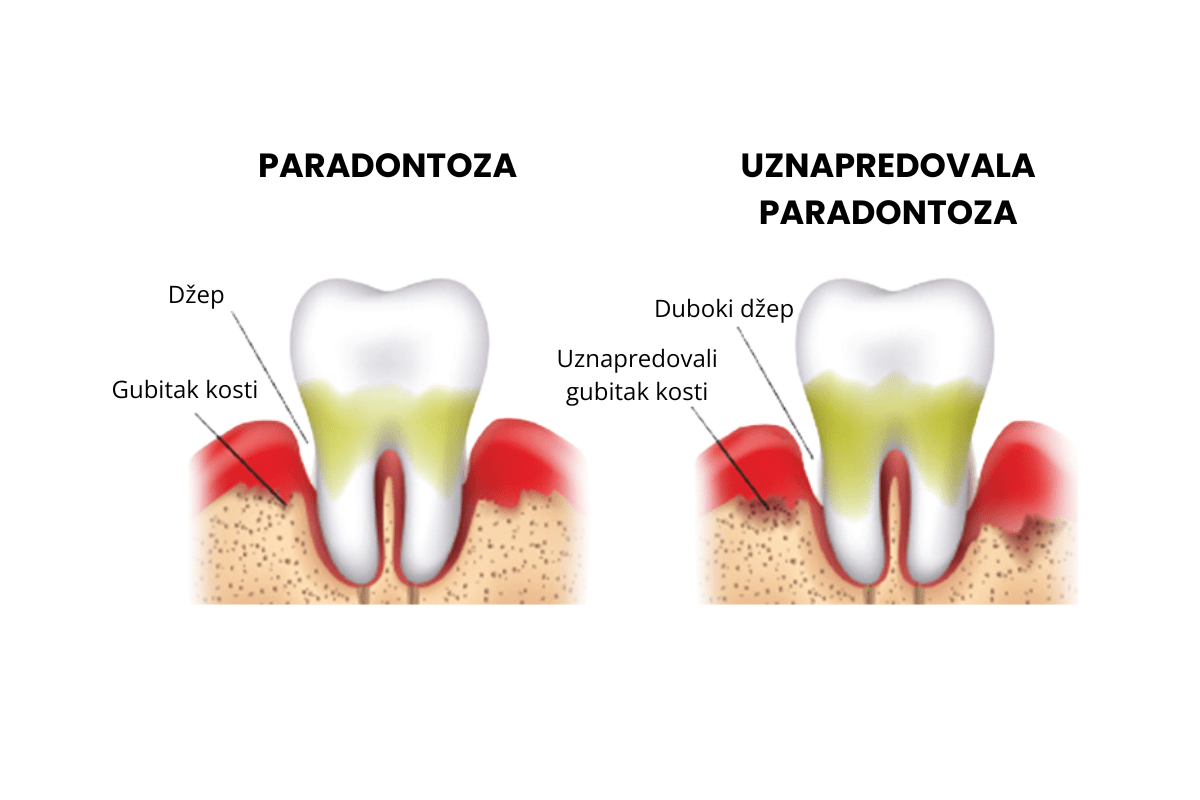
Those who reacted in time and combined professional treatment with natural remedies often report significantly better results: less inflammation, stronger gums, and better disease control. Many also note that dietary changes – increasing intake of vitamins C and D, as well as eliminating refined sugars – helped strengthen their gum resilience.
Conclusion: Don’t wait until it’s too late
If you notice symptoms such as bleeding gums, sensitivity, or receding gums, do not delay visiting the dentist. Periodontitis is a progressive disease, but with professional care and good oral hygiene, it can be successfully managed.
Try some natural remedies for periodontitis, but always consult your dentist first. Your gums will thank you!
Zanima vas više o liječenju paradentoze? Zakažite besplatan pregled u našoj ordinaciji i saznajte koje je najbolje rješenje za vaš problem!